


Blocked sewage pipes pose significant challenges for homeowners, often leading to unpleasant and costly problems if left unaddressed. Recognising the early signs of blockages can save time and money in the long run, ensuring that issues are dealt with swiftly and efficiently.
Homeowners frequently encounter slow drainage, strange gurgling sounds from pipes, and unpleasant odours seeping from drains, all of which suggest potential blockages. By educating oneself about the signs, causes, and effective solutions for blocked sewage pipes, property owners can take informed steps to prevent severe plumbing disruptions.
Universal Plumbers offers comprehensive services aimed at resolving such issues and maintaining the home’s plumbing system. Their expert guidance and solutions not only ensure immediate fixes but also safeguard against future problems, enhancing the safety and value of residential properties.

Identifying Signs of Blocked Sewage Pipes
Early detection of blocked sewage pipes is crucial in preventing extensive damage and costly repairs. Recognizing the signs allows for prompt intervention, reducing the risk of sewage backups and unpleasant odors infiltrating your home or property.
Being aware of these indicators can help maintain the integrity of your plumbing system and avert potential health hazards associated with sewage exposure.
Common signs of blocked sewage pipes include:
Slow drainage in sinks, tubs, and showers.
Gurgling sounds from drains, indicating trapped air.
Unpleasant odors, similar to rotten eggs, emanating from drains.
Water backing up in sinks or toilets, indicating a blockage.
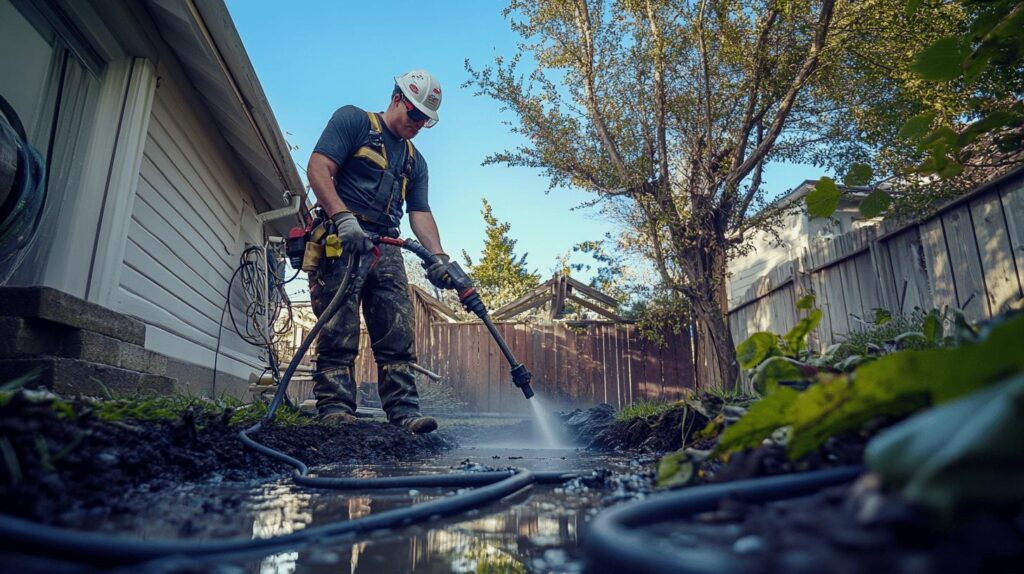
Sewer smells or dirty water pooling in the yard.
Addressing these signs promptly is essential to prevent further damage. Ignoring them can lead to severe plumbing issues, including pipe bursts and sewage overflow. Immediate action, whether through DIY methods or professional services, ensures that any blockages are cleared before they escalate into more significant problems.
Regular monitoring and maintenance of your sewage system can save time and money in the long run.
Causes of Blocked Sewage Pipes
Blocked sewage pipes are a common issue in both residential and commercial properties, often stemming from everyday activities. Household contributors to blockages include the accumulation of grease, hair, and soap scum within the pipes. These substances build up over time and restrict water flow, leading to a blocked sewage system. Additionally, foreign objects often find their way into drains and toilets, exacerbating the problem. Improper disposal of waste, such as flushing non-degradable items, can create significant obstructions, causing recurring clogs that are difficult to manage.
Common causes of blocked sewage pipes include:
Accumulated grease and cooking fat solidifying in pipes.
Hair and soap scum forming clogs in bathroom drains.
Foreign objects flushed down toilets or washed into sinks.
- Food scraps and oil disposed of improperly in kitchen drains.
External factors, like tree roots, also play a significant role in sewage line blockage causes. Tree roots naturally seek out moisture and can penetrate sewer lines, causing severe blockages. Once inside, they grow and expand, further obstructing the flow and potentially damaging the pipes. Addressing both household and external factors is crucial for maintaining an efficient sewage system and avoiding frequent blockages. Regular maintenance and mindful waste disposal can significantly reduce the risk of encountering these issues.
DIY Methods to Unblock Sewage Pipes
Tackling a blocked sewage pipe doesn’t always require professional intervention. Many homeowners can employ practical DIY solutions to address minor clogs effectively. By using readily available tools and household items, it’s possible to clear blockages and restore normal flow in your plumbing system. These methods are not only cost-effective but can also prevent the escalation of a minor issue into a major problem.
One of the most straightforward DIY methods involves using a plunger. To effectively use a plunger, create a tight seal around the drain and apply gentle pressure in a pumping motion to dislodge the clog. If the plunger doesn’t work, a plumbing snake can be a more robust solution. Insert the snake into the drain and rotate the handle to break through the blockage. This tool is particularly effective for deeper clogs as it can reach further into the pipes than a plunger.
Plunger: Create a seal and pump to clear blockages.
Plumbing Snake: Use for deeper clogs by inserting and rotating.
Homemade Solution: Combine baking soda and vinegar, pour it down the drain, and flush with hot water after a few minutes.
While chemical drain cleaners might seem appealing due to their ease of use, they come with significant risks. These chemicals can corrode pipes over time, leading to leaks or even pipe bursts. Moreover, they are harmful to the environment and pose safety hazards if not handled correctly. For these reasons, mechanical solutions are often recommended for unblocking pipes, as they are safer and more sustainable in the long run.
Professional Solutions for Blocked Sewage Pipes
When dealing with severe blockages in your sewage system, it’s often best to call in professional help. DIY methods may not suffice for stubborn clogs or when the blockage lies deep within the system. Professionals have access to advanced tools and techniques that ensure thorough cleaning and minimal disruption. If you notice persistent drainage issues, unpleasant odors, or multiple fixtures are affected, these are clear indicators that expert intervention is necessary. Addressing the issue promptly with professional services can prevent further damage and costly repairs.
Hydro-Jetting
Hydro-jetting is a highly effective method used by professionals to clear stubborn blockages. This process involves using high-pressure water jets that blast through debris, grease, and any obstructions within the pipes. The force of the water not only clears the blockage but also cleans the pipe walls, preventing future clogs. This method is particularly beneficial for removing buildup and tree roots that might have penetrated the sewer lines. Hydro-jetting is safe for most plumbing systems and restores optimal flow without damaging the pipes.
CCTV Camera Inspection
CCTV camera inspection is an invaluable tool for accurately diagnosing and locating blockages within the sewer line.
By inserting a small camera into the pipes, plumbers can visually assess the condition of the pipes and identify the exact location and cause of the blockage. This method eliminates guesswork and ensures that the correct approach is taken to fix the problem. It’s especially useful for identifying issues like pipe cracks, root intrusion, or severe buildup that aren’t visible from the surface.
The cost of professional services for fixing blocked sewer pipes typically ranges from $100 to $500, depending on the severity and location of the blockage. While this might seem like a significant investment, the expertise and advanced equipment professionals bring can save you from more extensive and costly repairs in the future.
Engaging a professional ensures that the problem is resolved efficiently and that your plumbing system remains in good working order.
Preventative Measures for Avoiding Blocked Sewage Pipes
Preventing blocked sewage pipes is essential for maintaining an efficient plumbing system and avoiding costly repairs. Proactive measures can significantly reduce the risk of clogs and ensure the smooth operation of your sewage line. By incorporating simple habits and routine inspections, homeowners can protect their plumbing from potential blockages and extend the lifespan of their pipes.
Use strainers in sinks to catch hair and food particles.
Avoid flushing non-degradable items like wipes and sanitary products.
Regularly inspect and clean drain stoppers and strainers.
Dispose of grease and cooking oils in the trash, not down the sink.
Schedule annual plumbing inspections to identify potential issues early.
Long-term benefits of regular maintenance include fewer plumbing emergencies and a healthier sewage system. Consistent care prevents build-up and blockages, saving time and money over the lifespan of the plumbing system. Investing in preventative measures ensures a reliable and efficient sewage system, promoting peace of mind for homeowners.
Addressing blocked sewage pipes promptly ensures efficient sewage management and prevents costly repairs. Identifying early signs, such as slow drainage and unpleasant odors, is crucial. Common causes range from household waste accumulation to tree root infiltration. DIY methods like using a plunger or homemade solutions offer short-term relief. For severe blockages, professional services like hydro-jetting and CCTV inspections are recommended. Prevention through regular maintenance and proper waste disposal is essential. By following these guidelines, homeowners can maintain a reliable sewage system.
FAQ
How do you clear blocked sewage pipes?
Clearing blocked sewage pipes can involve using a plunger, a plumbing snake, or a DIY solution such as baking soda and vinegar. Each method aims to dislodge obstructions to restore normal flow.
Who is responsible for blocked sewage pipes?
Responsibility for blocked sewage pipes typically lies with the property owner if the blockage occurs on private property. If the blockage is in the public sewer, the water company may be responsible.
What to do when sewage is blocked?
When sewage is blocked, initially attempt to clear it with DIY methods like plunging or using a plumbing snake. If unsuccessful, contact a professional plumber to diagnose and resolve the issue effectively.
What happens when sewage pipes get blocked?
Blocked sewage pipes can cause water backup, slow drainage, unpleasant odors, and potential water damage. Immediate action is necessary to prevent further complications and costly repairs.
